Emergency roof repair services in Sugar Hill, GA
When a Sugar Hill storm tears shingles loose or drops a limb through your roof deck, every hour of delay means more water damage inside your home. Our crew responds quickly with heavy-duty tarps, emergency patching materials, and the hands-on experience to stabilize your roof fast — then document everything you'll need for your insurance claim.
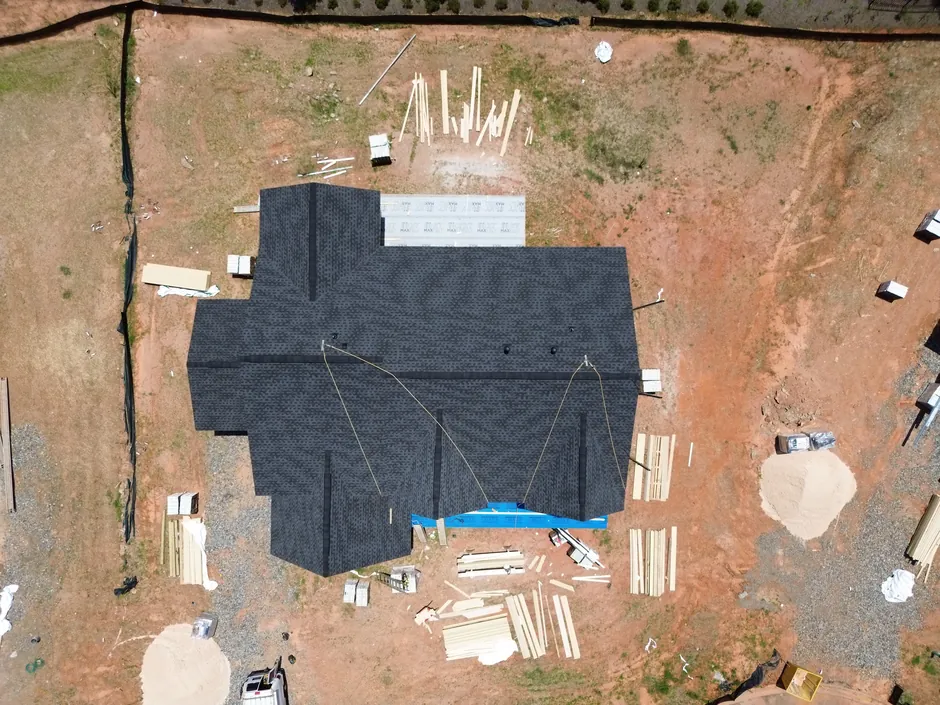
Ready when Georgia storms strike
Sugar Hill sits in a Gwinnett County corridor that regularly sees severe storm activity — spring supercells delivering inch-plus hail, summer straight-line wind events exceeding 60 mph, and fall storm remnants that drive heavy rainfall against already-stressed roofing systems. When these events cause active damage, the difference between a manageable repair and tens of thousands in interior water damage often comes down to how quickly temporary protection gets deployed.
Best Sugar Hill Roofer has responded to storm emergencies throughout Gwinnett County since March 2016. We stock heavy-duty 6-mil poly tarps, roofing cement, drip-edge sections, emergency flashing materials, and structural plywood in our vehicles because we know damage doesn't wait for supply runs. When you call us, our priority is reaching your property, assessing what's actively allowing water infiltration, and deploying the most effective temporary protection available given your specific damage pattern.
Emergency work is deliberately temporary — it stabilizes the situation rather than completing permanent repairs. But temporary doesn't mean careless. Tarps get secured with proper batten boards and fastening patterns that keep them in place through additional storm weather, not draped loosely and left to blow off in the next breeze. We also photograph and document all damage before and during emergency work, creating the insurance claim record that needs to exist before any materials are disturbed.
Fast response when every hour counts
Active water infiltration through a damaged roof compounds rapidly — insulation becomes saturated, drywall softens, and secondary mold conditions develop within 24 to 48 hours in Gwinnett County's humidity. We prioritize emergency calls by severity and dispatch as quickly as conditions safely allow. Getting temporary protection in place fast is the single most effective way to contain repair costs.
Stocked for emergencies before they happen
We carry structural plywood, 6-mil poly tarps, batten boards, roofing cement, boot seal replacements, drip-edge sections, and common-profile shingles in our vehicles throughout storm season. That preparation means we arrive ready to work — not making phone calls to locate supplies while your ceiling continues to soak.
Stabilization first, permanent repair second
Emergency repair priorities are: stop active water entry, prevent further structural damage, and create a stable situation that allows for proper permanent repair planning. We don't rush into permanent repairs when conditions don't allow for quality installation. Solid temporary protection followed by a properly executed permanent repair outperforms hasty permanent repairs done poorly under time pressure.
Transparent pricing under pressure
Emergency situations shouldn't mean emergency pricing. We charge for materials used and time required — the same factors that determine any other service call. We explain costs before we begin work so you understand what you're authorizing, and we provide itemized documentation that supports insurance reimbursement for covered emergency stabilization work.
How Sugar Hill storms damage roofs — and what to do first
Sugar Hill's position in northeast Gwinnett County places it in the path of storm tracks that regularly produce damaging weather. Spring cold fronts pushing through the Atlanta metro generate supercell activity with hail stones large enough to crack asphalt shingles and dent metal components. Summer afternoon thunderstorms frequently produce straight-line wind bursts exceeding 60 mph — more than enough to lift entire ridge cap sections, peel back starter courses at eaves, and drive water under edge flashings that were fully functional before the event. Fall weather systems occasionally bring sustained heavy rainfall that exposes any existing vulnerability in the roof system.
The damage patterns from these events vary by storm type and intensity. Hail damage is diffuse — impact craters distributed across the entire shingle field with heaviest concentration on the south- and west-facing slopes that received the most direct exposure. Wind damage tends to be concentrated at edges, ridges, and any area where previous repairs or aging had already compromised fastener holding power. Tree impact damage creates obvious structural breaches that require immediate attention to prevent interior flooding.
When you call us after storm damage, our first step is a quick assessment of the damage type and extent to determine what emergency action will be most effective. Large structural breaches from tree impact get covered with structural plywood and tarped. Widespread wind-lifted shingles get temporarily re-secured and spot-tarped at active infiltration points. In all cases, we document damage conditions before touching anything, preserving the evidentiary record your insurance claim depends on.
Preventing interior water damage during roof emergencies
The damage a roof breach causes to your Sugar Hill home's interior grows non-linearly with time. In Gwinnett County's high-humidity environment, attic insulation becomes saturated and collapses within hours of active infiltration. Drywall ceilings begin to soften and sag once moisture reaches them. Mold colonization begins on wet organic materials — insulation, wood framing, drywall paper — within 24 to 48 hours in warm conditions, and Sugar Hill's summer temperatures mean warm conditions persist year-round except in the coldest months.
Stopping water entry quickly is therefore critical not just to avoid cosmetic damage but to prevent the health and structural consequences of mold infiltration. Our emergency response prioritizes deploying effective temporary protection over speed of permanent repair. A properly installed tarp over a damaged roof section, secured with batten boards fastened through the tarp into solid deck material, will remain effective through multiple subsequent storm events and buys the time needed for weather conditions to stabilize and permanent repairs to be planned and executed correctly.
While we work, we also advise homeowners on interior protective steps: moving valuables from below active leak areas, positioning containers under active drips to document infiltration rate and location, turning off electrical circuits serving areas with active moisture intrusion, and photographing interior damage conditions for insurance documentation. These steps protect both the property and the insurance claim simultaneously.
Insurance documentation during emergency repairs
Emergency roof repairs and insurance claim documentation are simultaneous responsibilities, and handling both correctly requires a disciplined approach to sequencing. The moment we arrive at a storm-damaged Sugar Hill property, our first action is photographic documentation of existing damage conditions — before any materials are moved, covered, or disturbed. This establishes the pre-intervention state that insurance adjusters need to accurately assess the covered damage.
During emergency stabilization work, we document materials used, installation methods employed, and the specific areas protected. This record serves two purposes: it creates the itemized report needed for insurance reimbursement of emergency protection costs (which most homeowner policies cover when documentation demonstrates the measures were necessary to prevent additional covered damage), and it establishes a baseline for the subsequent permanent repair or replacement scope.
We also advise Sugar Hill homeowners on the sequence of notifications and decisions that protects their claim. Reporting to your carrier promptly, maintaining documentation of all damage and interior impacts, and avoiding permanent repairs before adjuster inspection are all steps we help coordinate. When emergency conditions require action before an adjuster can visit — which is common after major storm events when adjuster schedules are overwhelmed — thorough prior documentation becomes the substitute for the adjuster's direct observation, and the quality of that documentation directly affects claim outcomes.
Storm damage your roof? Need help now?
Water inside your home compounds fast in Georgia's climate. Call (470) 888-0030 now and we'll dispatch to your Sugar Hill property, deploy proper temporary protection, and document everything you need for your insurance claim — stopping the damage before it doubles.