Roof repair services in Sugar Hill, GA
When your Sugar Hill roof needs attention, our experienced team delivers repairs rooted in genuine diagnostic work - not guesswork. From hail-cracked shingles to wind-torn valleys, we trace damage to its source and fix it the right way the first time.
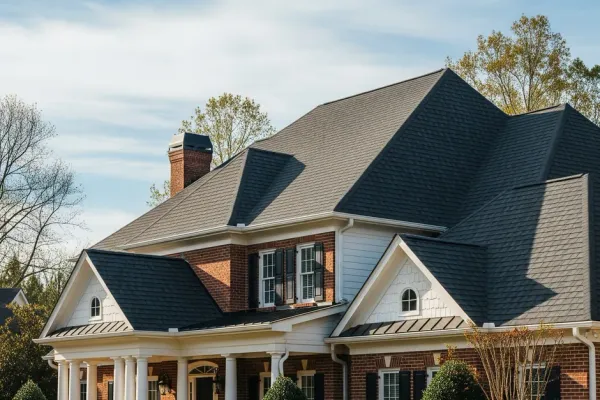
Comprehensive roof repair solutions for Sugar Hill homes
Roof damage in Sugar Hill rarely announces itself until it's already become an expensive problem. A few cracked shingles after a hailstorm, a small gap in step flashing that widens through summer heat cycles, or wind-lifted ridge caps that let moisture creep under the underlayment - these issues escalate quickly in Gwinnett County's humid subtropical climate if left unaddressed.
Best Sugar Hill Roofer has been diagnosing and repairing roofs throughout Sugar Hill and surrounding Gwinnett County communities since March 2016. Over nearly a decade of local service, we've built our reputation on one consistent principle: find the root cause of every problem, not just the visible symptom. A ceiling stain rarely marks where water is entering. Shingle granule loss doesn't tell the whole story about deck integrity below. We dig deeper.
Our repair process starts with a structured exterior walk-through covering every penetration, every valley, every flashing termination point, and every transition. We document what we find with photos and give you a straight assessment of what needs immediate attention, what can be monitored, and what can wait. No manufactured urgency - just honest information so you can make the right call for your home and your budget.
Root-cause diagnostic process
We never patch the first wet spot we find and call it done. Every repair engagement starts with a systematic exterior evaluation covering all known failure points: flashing terminations, boot seals, ridge caps, valley liners, and eave edges. We identify structural issues like soft deck boards and rafter damage before touching a single shingle so repairs address the actual problem.
Storm damage and Georgia weather specialists
North Georgia's storm season runs nearly year-round - spring supercell hail, summer high-wind events, and fall tropical remnants all put Sugar Hill roofs through serious stress. We document impact craters, wind-lifted fastener patterns, and granule displacement across the full roof surface to ensure every affected area gets addressed, not just the most obvious damage.
Climate-matched materials and workmanship
Roofing materials perform differently in Gwinnett County's high humidity and UV exposure than they do in cooler or drier climates. We select repair shingles, sealants, and flashing metals rated for Georgia's temperature extremes and match existing profiles as closely as possible so repairs blend naturally with your existing system.
Insurance documentation support
Storm damage repairs often involve insurance claims, and thorough photo documentation from the start makes a measurable difference in claim outcomes. We capture before-and-after evidence organized by damage type, provide written descriptions that align with adjuster terminology, and remain available for direct conversations with your carrier when questions arise.
Leak detection and repair methodology
Ceiling stains, dripping insulation, and wet drywall are symptoms - not sources. In Sugar Hill homes, the actual entry point for water infiltration is typically feet or even yards away from where moisture first appears inside. Water enters through a gap in flashing or a failed boot seal, then travels along roof decking, down a rafter, through blown insulation, and finally drops onto your ceiling at the lowest structural point it can find. Our repair methodology is built around tracing that entire path back to the origin.
We begin every leak investigation with a full exterior inspection focusing on the five most common failure zones in Gwinnett County homes: rubber pipe-boot seals around plumbing vents, step flashing along dormer and wall intersections, valley liners where two roof planes converge, back-pan flashing at chimney bases, and eave drip edges. In older Sugar Hill homes built before 2005, these areas frequently show accelerated wear because the original materials weren't rated for high-humidity environments.
Once we identify the entry point, we remove the minimum necessary shingle material to expose the flashing or underlayment underneath, assess whether the substrate is wet or compromised, and install a repair that addresses both the immediate failure and any adjacent vulnerability. We use butyl-based flashings rather than caulk-dependent systems wherever possible because caulk seals eventually crack under Georgia's temperature swings, while butyl maintains flexibility through decades of thermal cycling. Every repair gets photographed before we button up the shingles, so you have a clear record of exactly what was done and why.
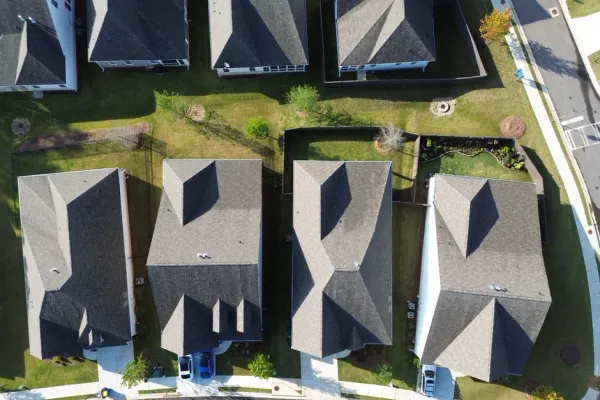
Storm damage assessment and hail pattern analysis
Sugar Hill sits in a Gwinnett County corridor that receives some of North Georgia's most intense spring storm activity. Supercell thunderstorms tracking northeast from Atlanta frequently produce one-inch or larger hail that leaves impact bruising across entire roof fields - damage that may not be visible from the ground but significantly compromises shingle integrity and accelerates granule loss. High-wind events associated with these same storms routinely lift ridge cap shingles, peel back starter courses at eave lines, and separate step flashing from wall interfaces.
Our storm damage assessment covers the full roof surface systematically, not just the most visibly damaged sections. We document hail impact density using standardized measurement protocols, photograph wind-damaged fastening patterns, and identify lifted or creased shingles that may look intact but have broken their seal strips. This level of documentation matters enormously when working with insurance carriers because it establishes the storm as the cause of a complete functional failure rather than isolated cosmetic damage.
After initial assessment, we provide emergency stabilization as needed - sealing exposed deck areas, re-nailing lifted sections, and installing temporary protection where active infiltration is occurring. Permanent repairs follow the full documentation and insurance adjuster review, using materials that match your existing system profile and meet the manufacturer's installation specifications required for warranty compliance in Georgia's climate zone.
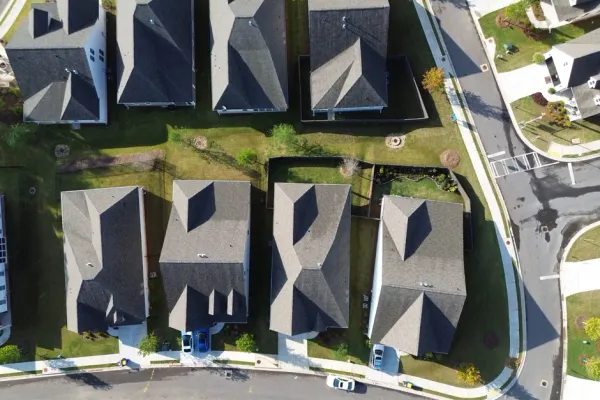
Preventive repair and early intervention cycles
The most expensive roof repairs in Sugar Hill are almost always preventable. A boot seal that costs under two hundred dollars to replace properly will allow water infiltration for years if ignored, eventually requiring deck board replacement, rafter sistering, and insulation removal that can total several thousand dollars. The same principle applies to loose drip edge, separated ridge cap adhesive, and minor flashing separations at wall transitions - all conditions we find routinely during annual maintenance visits on roofs that otherwise look fine from the street.
We recommend annual inspections for any Sugar Hill roof older than eight years, particularly those under heavy tree canopy where debris accumulation accelerates granule loss and holds moisture against shingle surfaces. Gwinnett County's leaf-fall season runs from late October through December, and roofs that go uninspected through that period often arrive at spring with early-stage moss growth, clogged valleys, and softened eave decking from standing moisture. Catching these conditions before winter compounds them is the difference between a one-hour service call and a multi-day repair project.
Our preventive inspections include a written condition report with priority ratings for every finding - immediate action required, monitor at next inspection, or no current concern. This gives Sugar Hill homeowners a clear maintenance roadmap and documented history that supports both insurance claims and resale disclosures.
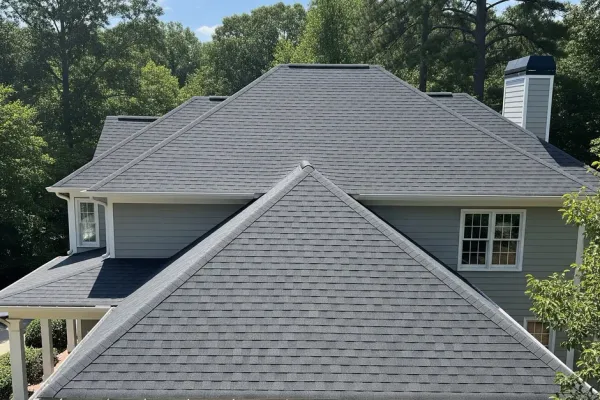
Georgia climate factors in repair material selection
Repairing a roof in Sugar Hill, GA requires different material choices than the same repair job in a northern state. Gwinnett County's climate combines high summer humidity regularly exceeding 85 percent, UV index levels that degrade exposed sealants faster than manufacturers' temperate-zone ratings suggest, and freeze-thaw cycles that occur several times each winter even though temperatures rarely stay below freezing for extended periods. That combination accelerates failure in materials that perform acceptably elsewhere.
We select repair products specifically for this environment. Underlayments use synthetic fabrics rather than felt paper, which absorbs moisture and degrades rapidly in high-humidity attic environments. Flashing sealants are rubberized butyl or polyurethane formulations that remain elastic through Sugar Hill's roughly 100-degree annual temperature range from January lows near 25°F to August highs near 95°F. Fasteners are ring-shank hot-dipped galvanized or stainless steel rather than smooth-shank electro-galvanized, which corrodes prematurely in humid attic air.
These material choices add modest cost but dramatically extend repair longevity. A well-executed repair using climate-appropriate materials on a Sugar Hill home should remain functional for ten or more years without requiring re-treatment - which is the outcome every homeowner deserves when they invest in professional roofing work.
Schedule your roof repair consultation today
Roofing problems in Sugar Hill grow quickly in Georgia's climate. Call (470) 888-0030 or reach us at bestCityRoofer@gmail.com for a thorough diagnostic inspection and an honest repair assessment - no pressure, no manufactured urgency.